Basic Use of “CAN” (ability)
The Modal Verb Can (Ability and Possibility) 📌 Lesson Contents 🎯 Lesson goal 🌟 When do we use “can”? 🔍…
Learn English. Free. Up to date for 2026.
The Modal Verb Can (Ability and Possibility) 📌 Lesson Contents 🎯 Lesson goal 🌟 When do we use “can”? 🔍…
Adjectives (Describing Words) 📌 Lesson contents 🎯 Lesson goal 🌟 What are adjectives? 🔍 Where do they go in a…
So, Neither, Nor, Either and Too (Agreeing with Someone) 📌 Lesson Contents 🎯 Lesson goal 🌟 When do we use…
Both, Either and Neither (Talking About Two Options) 📌 Lesson Contents 🎯 Lesson goal 🌟 Basic meaning 🔍 How do…
Present Continuous (Action in Progress) 📌 Lesson Contents 🎯 Lesson goal 🌟 When do we use the Present Continuous? 🔍…
Question Words 📌 Lesson contents 🎯 Lesson goal 🌟 What are Question Words? 🔍 The main Question Words 🧩 Summary…
🎯 Lesson goal In this lesson you will learn to tell make and do apart 📖, so you can use…
Modals of Deduction: Must, Might and Can’t 📌 Lesson contents 🎯 Lesson goal 🌟 What are modals of deduction? 🔍…
Third Conditional (Unreal Situations in the Past) 📌 Lesson Contents 🎯 Lesson goal 🌟 What is the Third Conditional? 🔍…
Wish – Expressing Wishes and Regrets 📌 Lesson Contents 🎯 Lesson goal 🌟 What does “wish” mean? 🔍 How do…
 A1 · 01Articles in English: ‘The’, ‘A’ and ‘An’
 A1 · 02Subject Pronouns (I, You, He, She, It, We, They)
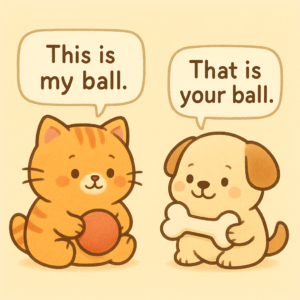 A1 · 03Possessive Adjectives (My, Your, His, Her, Its, Our, Their)
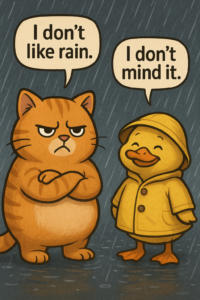 A1 · 04Present Simple – Negative Form
 A1 · 05Present Simple – Affirmative
 A1 · 06“There is” and “There are”
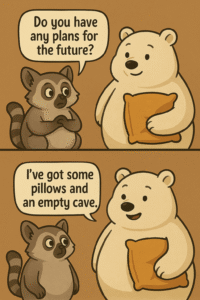 A1 · 07Some, Any and No
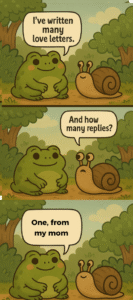 A1 · 08A Lot Of, Much and ManyA1 · 09How Much / How Many
 A1 · 10Possessive Adjectives (my, your, his, her, its, our, their)
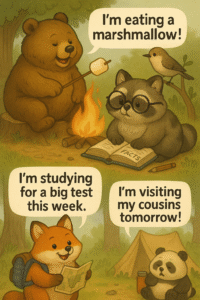 A1 · 11Present Continuous
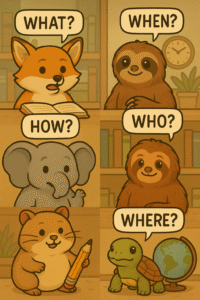 A1 · 12Question Words (What, Where, When, Why, How)
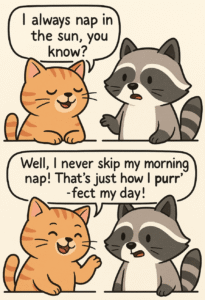 A2 · 01Adverbs of Frequency (Always, Usually, Often, Sometimes, Never)
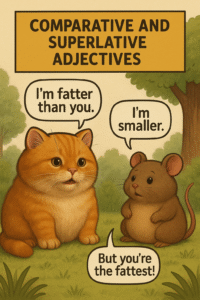 A2 · 02Comparative and Superlative Adjectives
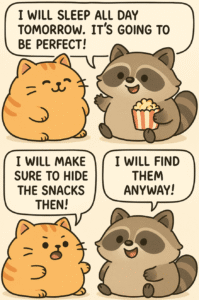 A2 · 04The Future with Will
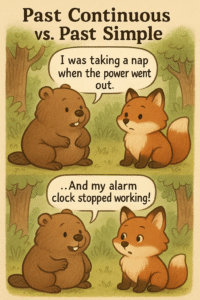 A2 · 05Past Continuous (Actions in Progress in the Past)
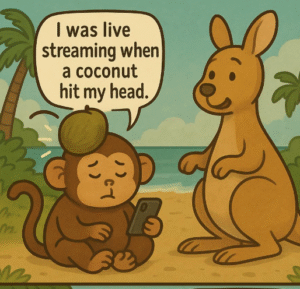 A2 · 06Past Simple and Past Continuous
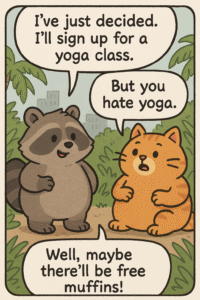 A2 · 07Be Going To vs Will (talking about the future)
 A2 · 08“Too” and “Enough”
 A2 · 09Comparatives of Equality: As…as and Not as…as
 A2 · 10Verb + -ing or to + Infinitive (like, enjoy, want…)
 A2 · 11Would Like and Would Love (Polite Wishes and Invitations)
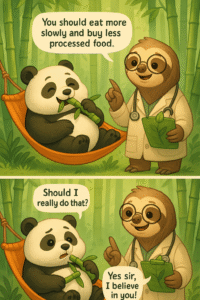 A2 · 12Should and Ought to (Giving Advice and Recommendations)
 B1 · 01Direct and Reported Speech
 B1 · 02The Past Perfect: talking about earlier actions in the past
 B1 · 03First Conditional (Real Situations in the Future)
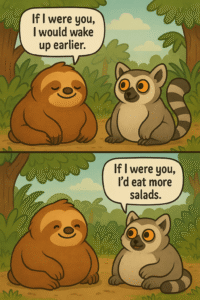 B1 · 04The Second Conditional: Imaginary Situations
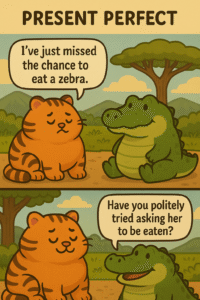 B1 · 05Present Perfect
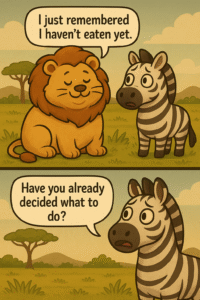 B1 · 06Just, Already and Yet (Present Perfect)
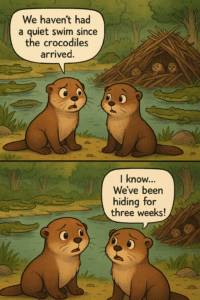 B1 · 07For and Since (Duration and Starting Point)
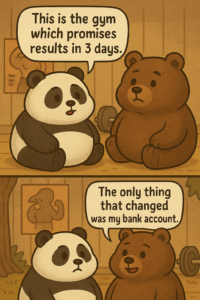 B1 · 08Who, Which and That (Relative Pronouns)
 B1 · 09Question Tags (Isn’t it? Aren’t you?…)
 B1 · 10Used to (Past Habits)
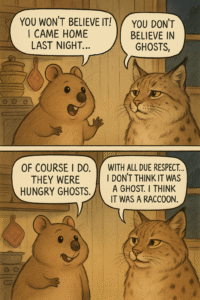
 B1 · 11Modals of Deduction: Must, Might and Can’t
 B1 · 12Past Perfect (Actions That Happened Earlier in the Past)
 B2 · 01Modal Verbs for Obligation and Advice – Must, Should, Have to
 B2 · 02May, Might and Could (Modal Verbs of Possibility)
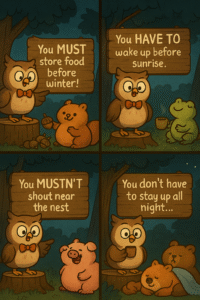 B2 · 03Modal Verbs of Obligation and Prohibition – must, have to, mustn’t, don’t have to
 B2 · 04Present Perfect Continuous
 B2 · 05Future Continuous
 B2 · 06Wish – Expressing Wishes and Regrets
 B2 · 07Make vs Do
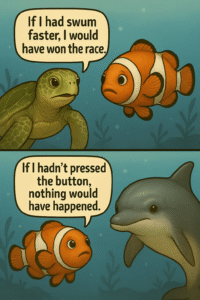 B2 · 08Third Conditional (Unreal Situations in the Past)B2 · 09Modal Verbs in EnglishB2 · 10Modal Verbs in English
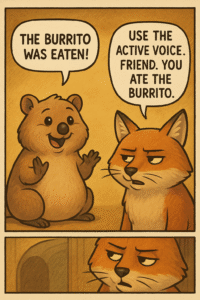 B2 · 11Passive Forms ExercisesB2 · 12Passive Forms Exercises