
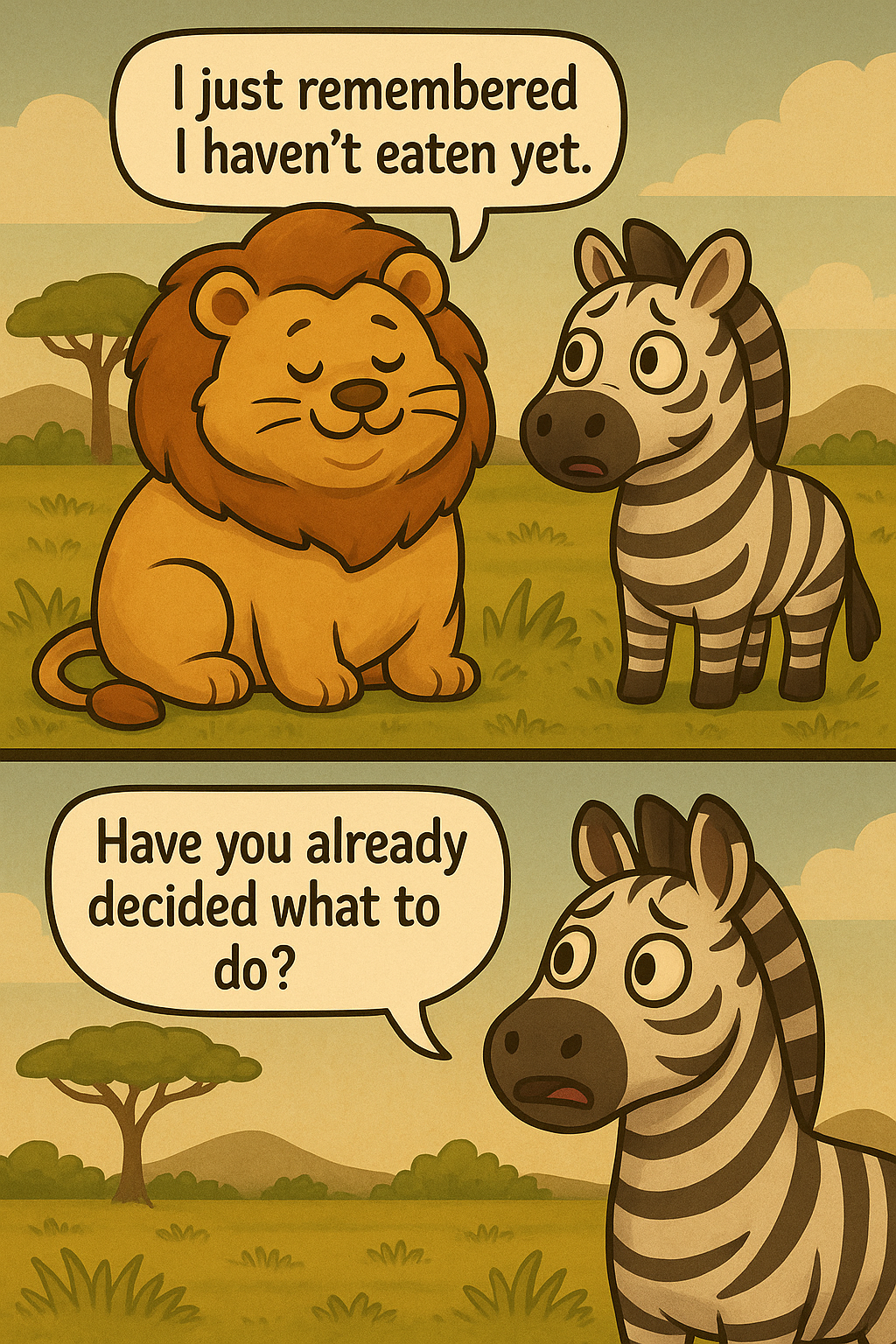
Just, Already and Yet in the Present Perfect
📌 Lesson Contents
🎯 Lesson goal
In this lesson you will learn to use just, already and yet 📖 to make your Present Perfect sound more natural and more exact. You will see where to put them in the sentence 🧠, what they mean ✍️ and get real practice with the quiz at the bottom of the page! 🚀
🌟 What are “just”, “already” and “yet”?
They are adverbs of time that add meaning to a Present Perfect sentence. ⏰ They help us say when something happened, or whether it has happened, without giving an exact moment in the past.
🔍 How do we use them?
| Adverb | Meaning | Position in the sentence |
|---|---|---|
| Just | A moment ago, very recently | Between have/has and the past participle |
| Already | Before now (sooner than expected) | Between have/has and the past participle |
| Yet | Not until now (negatives) / By now? (questions) | At the end of the sentence |
🔍 Practical examples
1. JUST (a moment ago)
✅ Used for actions that happened a very short time ago.
- I have just finished my homework. 📚
- She has just left the office. 🏢
Position: After have/has, before the past participle.
2. ALREADY (before now)
✅ Used for actions that are already complete (often sooner than expected).
- We have already eaten dinner. 🍽️
- He has already done his homework. ✍️
Position: After have/has, before the past participle.
3. YET (until now / by now)
✅ Used in questions (meaning “by now?”) and in negative sentences (meaning “not until now”).
- Question: Have you finished your project yet? 📝
- Negative: I haven’t finished my homework yet. 📚
Position: Always at the end of the sentence.
🧩 Summary – Using Just, Already, Yet
| Adverb | Where it goes | Example |
|---|---|---|
| Just | After have/has | I have just arrived. ✈️ |
| Already | After have/has | She has already finished. 🏁 |
| Yet | At the end of the sentence | Have they arrived yet? 🏡 |
❓ Basic doubts cleared up
- Can I use “yet” in affirmative sentences?
➔ No! Yet is only used in questions and negative sentences. In affirmative sentences, use already instead. - Do just and already always go before the past participle?
➔ Yes! Put them between the auxiliary have/has and the past participle. - Does “already” change the tone of the sentence?
➔ Yes! It shows that something happened sooner than expected, or it expresses a little surprise.
🚫 Common mistakes to avoid
| Mistake ❌ | Correct ✅ |
|---|---|
| I have finished just my homework. | I have just finished my homework. (Just goes before the past participle!) |
| She has finished already the project. | She has already finished the project. (Already goes before the past participle!) |
| Have you yet finished? | Have you finished yet? (Yet goes at the end!) |
👉 Remember: Right word order = perfect sentence!
📌 Final summary
- Just ➔ a moment ago (after have/has).
- Already ➔ before now (after have/has in affirmative sentences).
- Yet ➔ until now / by now? (at the end of questions and negatives).
Practise by talking about recent actions or things you still have to do! ✨
Gap Fill & Translation Exercises
Test yourself! In the first 15 sentences, fill the gap with the correct adverb: ‘just’, ‘already’ or ‘yet’ (use the hint in brackets). In the last 5, build the English sentence from the words given.