
Advanced Subjunctive & Unreal Past (C1/C2)
📌 Indice della Lezione
- 🎯 Obiettivo della lezione /a>
- 🏛️ 1. Mandative Subjunctive (Il Congiuntivo Mandativo)
- 📜 2. Formulaic Subjunctive (Formule Fisse e Proverbi)
- ⏳ 3. Unreal Past (It’s high time, Would rather, Wish)
- 🚫 Errori Comuni da Evitare nei Test C1/C2
- 🎮 1. Gap Fill & Transformation Test (15 Domande)
- 🧩 2. Extra: Sentence Builder
🎯 Guida SEO e Obiettivo del Corso
A livello C1 e C2 (Cambridge Proficiency), l’uso del congiuntivo inglese (Subjunctive) e delle strutture di Unreal Past separa i parlanti intermedi da quelli avanzati. In questa lezione analizzeremo il congiuntivo mandativo formale, le formule retoriche fisse e le strutture irreali come It’s high time e Would rather, fondamentali per le trasformazioni di Use of English e la scrittura accademica. 🚀
🏛️ 1. Mandative Subjunctive (Il Congiuntivo Mandativo)
Il congiuntivo mandativo si usa dopo verbi o aggettivi che esprimono ordine, raccomandazione, necessità o proposta. Si forma con la forma base del verbo (bare infinitive) per tutte le persone, senza declinare la terza persona singolare e senza ausiliari negativi.
| Verbi / Aggettivi Guida | Struttura Formale (C1/C2) | Esempio Formale |
|---|---|---|
| Insist, Demand, Recommend, Propose, Request, Order | that + soggetto + forma base | The board insisted that he resign immediately. (Non “resigns”). |
| It is essential / vital / imperative / crucial | that + soggetto + forma base | It is vital that she be informed at once. (Forma base di Be). |
| Forma Negativa | that + soggetto + not + forma base | They requested that the policy not be disclosed. (Senza “do not”). |
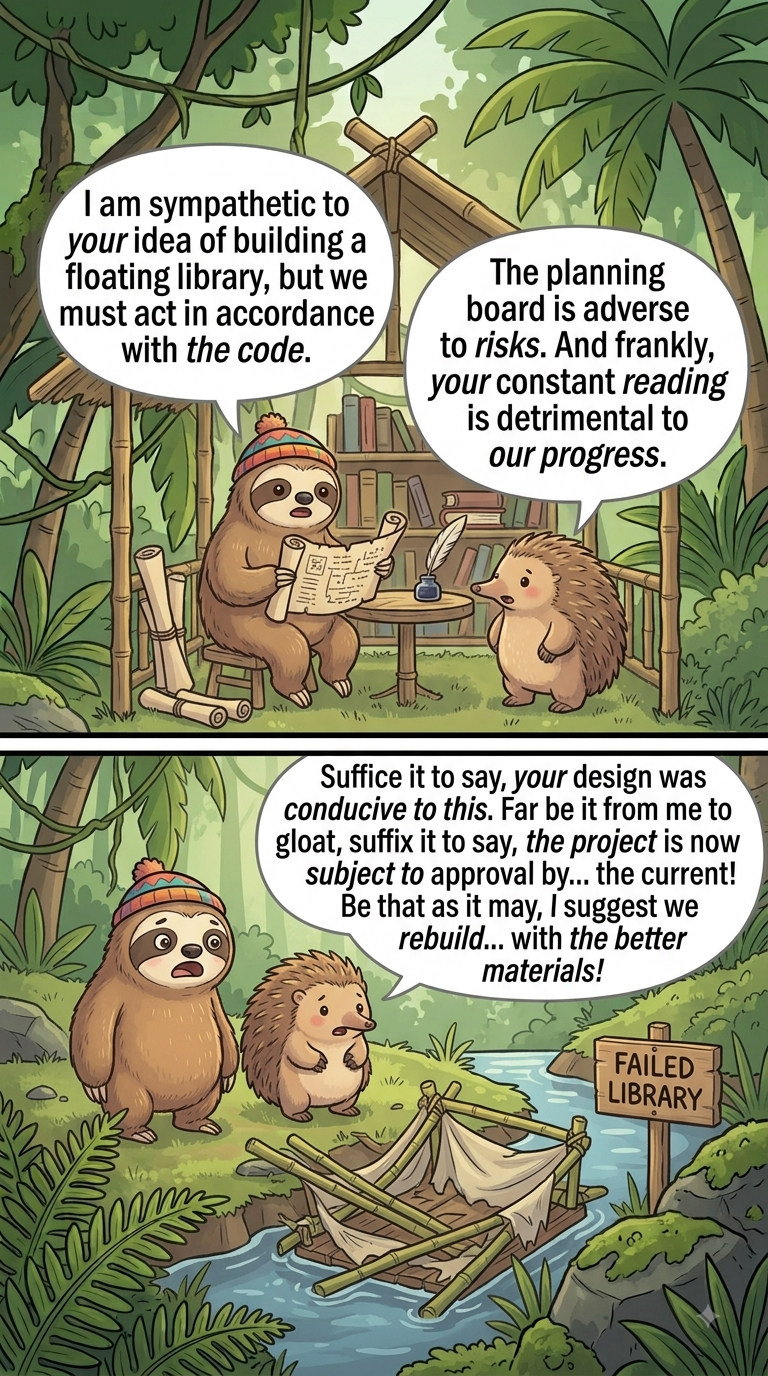
📜 2. Formulaic Subjunctive (Formule Fisse)
Espressioni cristalizzate di derivazione arcaica usate nel registro formale, giuridico e letterario:
- Be that as it may: Sia come sia / Ciononostante.
“The results were poor. Be that as it may, we must continue.” - Suffice it to say: Basti dire che.
“Suffice it to say, the project was an overwhelming success.” - Far be it from me to…: Lontano da me l’idea di…
“Far be it from me to criticize your decision, but consider the risks.” - Come what may: Qualsiasi cosa accada.
“We will pursue our objectives, come what may.” - God forbid: Dio non voglia.
“If, God forbid, an emergency occurs, press the red button.”
⏳ 3. Unreal Past (Passato Irreale)
Usiamo tempi passati per esprimere desideri, preferenze o azioni che dovrebbero avvenire nel presente o nel futuro:
| Struttura | Regola Grammaticale | Esempio C1/C2 |
|---|---|---|
| It’s (high/about) time | + soggetto + Past Simple | It’s high time you took responsibility. (È ora che tu ti prenda…). |
| Would rather / Would sooner (Soggetti diversi) | + soggetto + Past Simple (riferimento presente) + soggetto + Past Perfect (riferimento passato) | I’d rather you didn’t smoke here. I’d sooner you had told me yesterday. |
| Wish / If only | + Past Simple (ipotesi presente) + Past Perfect (rimpianto passato) | If only I knew the answer. I wish I hadn’t rejected that offer. |
🚫 Errori Comuni da Evitate nei Test C1/C2
| Errore Frequente ❌ | Forma Corretta ✅ |
|---|---|
| The judge demanded that he pays the fine. | The judge demanded that he pay the fine. (Congiuntivo mandativo: la “s” della 3a persona va omessa!). |
| It’s high time you start studying. | It’s high time you started studying. (“It’s high time” richiede sempre il Past Simple!). |
| I would rather you don’t call him now. | I would rather you didn’t call him now. (Quando ci sono due soggetti, “would rather” richiede il Past Simple). |
1. Gap Fill & Transformation Test (15 Domande)
Completa le frasi inserendo la forma verbale corretta (Congiuntivo o Unreal Past).
2. Extra: Sentence Builder 🧩
Tocca le parole per spostarle e ricomporre frasi con il congiuntivo e strutture irreali!