
Advanced Subjunctive & Unreal Past (C1/C2)
📌 Lesson Contents
🎯 Lesson goal
At C1 and C2 level (Cambridge Proficiency), using the English Subjunctive and Unreal Past structures is what separates intermediate speakers from advanced ones. In this lesson we look at the formal mandative subjunctive, fixed rhetorical phrases and unreal structures like It’s high time and Would rather. They are essential for Use of English transformations and academic writing. 🚀
🏛️ 1. Mandative Subjunctive
The mandative subjunctive is used after verbs or adjectives that express an order, recommendation, necessity or proposal. It is formed with the base form of the verb (bare infinitive) for all persons, with no -s in the third person singular and no negative auxiliaries.
| Key Verbs / Adjectives | Formal Structure (C1/C2) | Formal Example |
|---|---|---|
| Insist, Demand, Recommend, Propose, Request, Order | that + subject + base form | The board insisted that he resign immediately. (Not “resigns”). |
| It is essential / vital / imperative / crucial | that + subject + base form | It is vital that she be informed at once. (Base form of Be). |
| Negative Form | that + subject + not + base form | They requested that the policy not be disclosed. (No “do not”). |
📜 2. Formulaic Subjunctive (Fixed Phrases)
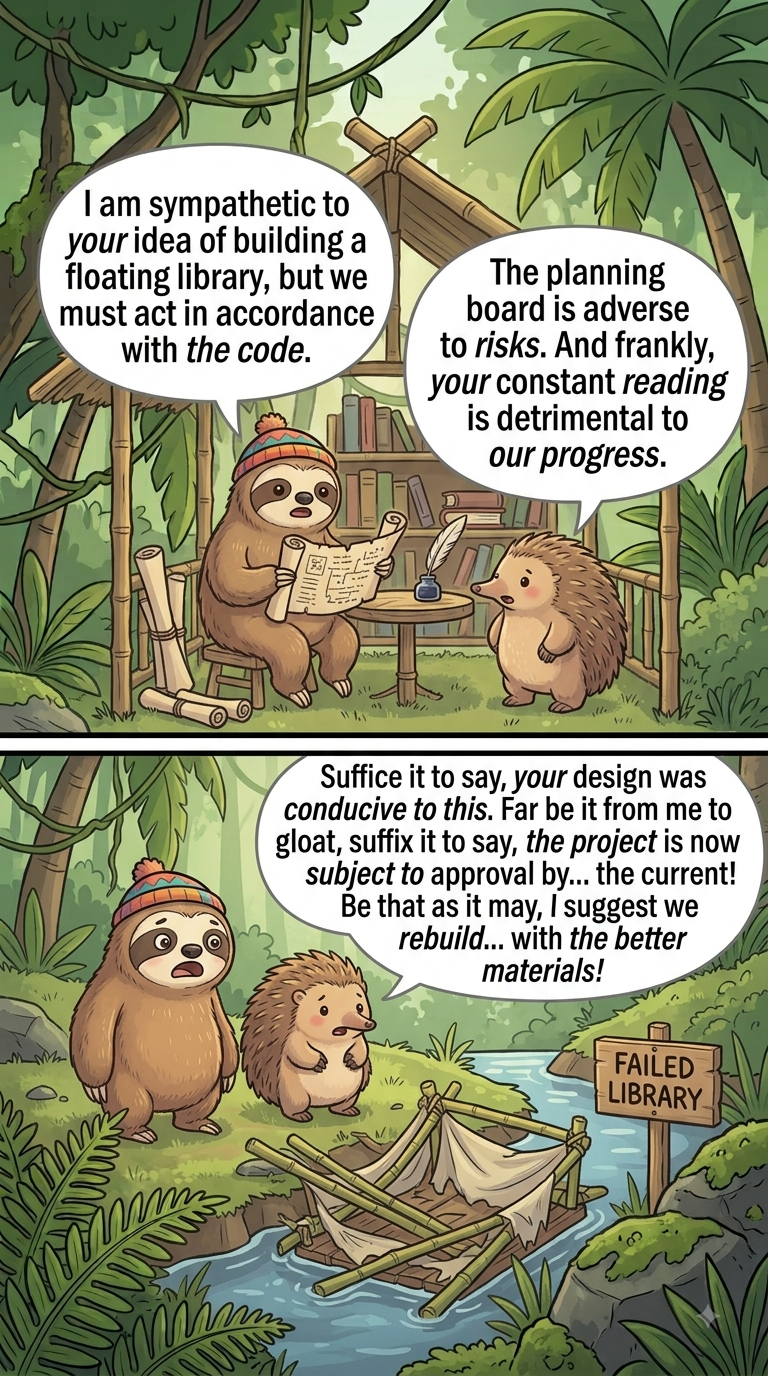
Fixed expressions of old origin, used in formal, legal and literary English:
- Be that as it may: Even so / However.
“The results were poor. Be that as it may, we must continue.” - Suffice it to say: It is enough to say that.
“Suffice it to say, the project was an overwhelming success.” - Far be it from me to…: I would never want to…
“Far be it from me to criticize your decision, but consider the risks.” - Come what may: Whatever happens.
“We will pursue our objectives, come what may.” - God forbid: Let’s hope it never happens.
“If, God forbid, an emergency occurs, press the red button.”
⏳ 3. Unreal Past
We use past tenses to express wishes, preferences or actions that should happen in the present or future:
| Structure | Grammar Rule | C1/C2 Example |
|---|---|---|
| It’s (high/about) time | + subject + Past Simple | It’s high time you took responsibility. (It is the right time for you to take it.) |
| Would rather / Would sooner (different subjects) | + subject + Past Simple (present reference) + subject + Past Perfect (past reference) | I’d rather you didn’t smoke here. I’d sooner you had told me yesterday. |
| Wish / If only | + Past Simple (present situation) + Past Perfect (past regret) | If only I knew the answer. I wish I hadn’t rejected that offer. |
🚫 Common Mistakes to Avoid in C1/C2 Tests
| Common Mistake ❌ | Correct Form ✅ |
|---|---|
| The judge demanded that he pays the fine. | The judge demanded that he pay the fine. (Mandative subjunctive: leave out the third person -s!). |
| It’s high time you start studying. | It’s high time you started studying. (“It’s high time” always takes the Past Simple!). |
| I would rather you don’t call him now. | I would rather you didn’t call him now. (With two different subjects, “would rather” takes the Past Simple). |
1. Gap Fill & Transformation Test (15 Questions)
Complete the sentences with the correct verb form (subjunctive or Unreal Past).
2. Extra: Sentence Builder 🧩
Tap the words to move them and rebuild sentences with the subjunctive and unreal structures!