
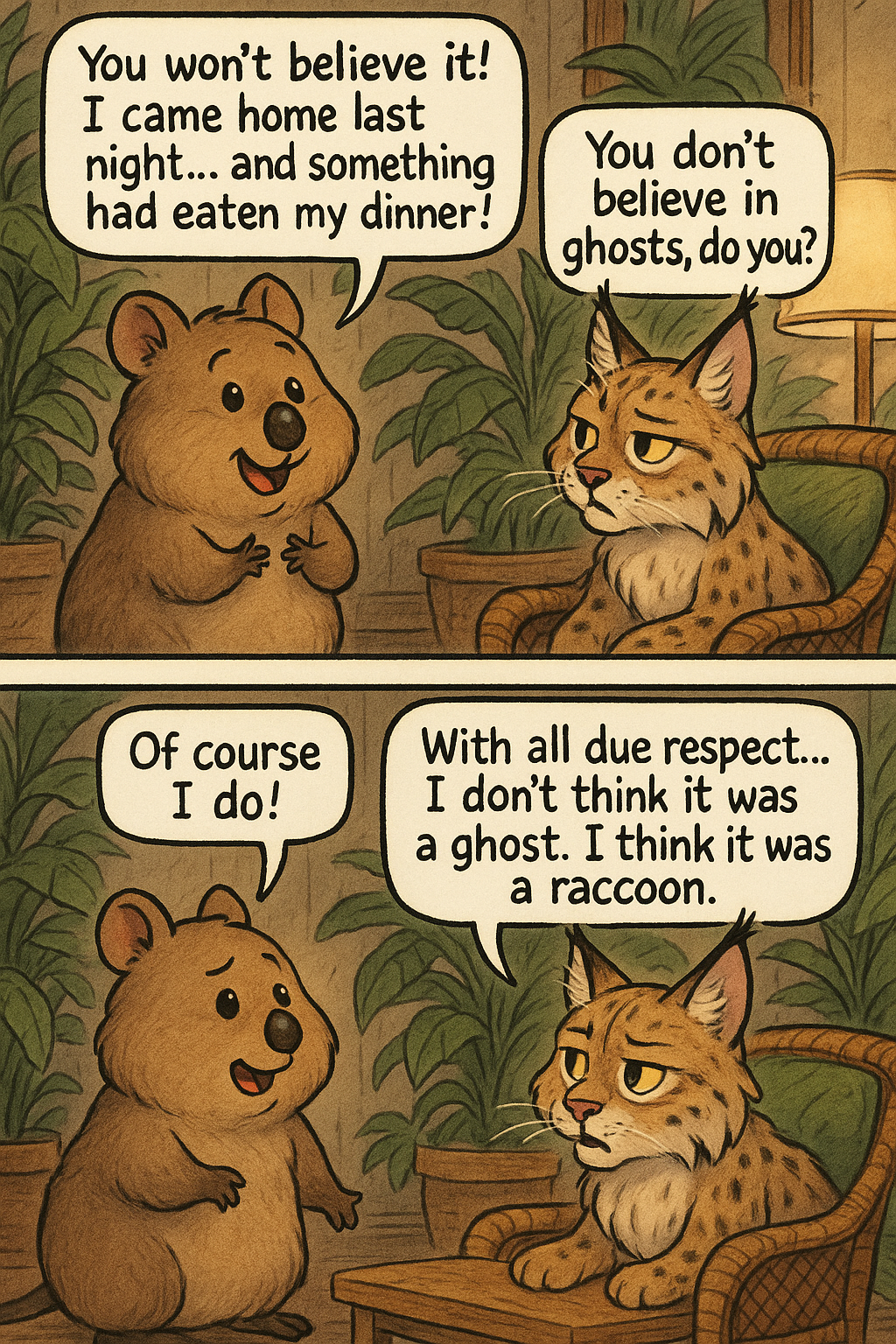
Reported Speech
📌 Lesson Contents
- 🎯 Lesson goal
- 🌟 What is Reported Speech?
- 🔍 How do we form it?
- 🧭 Tense changes
- 🧭 Changes to personal and possessive pronouns
- 📆 Time and place expressions that change
- ⚠️ Watch out for SAY vs TELL
- 💬 Reported Questions
- 🧱 Other useful reporting verbs
- 🚫 Common mistakes to avoid
- 📌 Final summary
- 🎮 Gap Fill & Translation Exercises
🎯 Lesson goal
In this lesson you will learn to change direct speech (the exact words) into reported speech (what someone said). You will see how tenses, pronouns, adverbs and time expressions change 🧠, avoid the typical mistakes ✍️ and practise straight away with the test at the bottom of the page! 🚀
🌟 What is Reported Speech?
Reported Speech (or Indirect Speech) is how we tell someone what another person said, without repeating their exact words. ⚠️ This means we change the tenses, pronouns, modal verbs and the words for time and place.
Example: “I’m working,” said Maria. ➔ Maria said that she was working.
🔍 How do we form it?
🧱 Basic formula: Subject + reporting verb + (that) + reported sentence
🔧 The reporting verb can be:
- said
- told someone
- asked
- explained / replied / answered / added / suggested / warned…
🧭 Tense changes – General rule
If the reporting verb is in the past (e.g. said, told), the tenses in the reported sentence go one step back in time (backshift):
| Direct 🗣️ | Reported 🔁 | Tense change |
|---|---|---|
| “I am tired” | He said he was tired | Present ➔ Past Simple |
| “She is working” | He said she was working | Present Cont. ➔ Past Cont. |
| “We have eaten” | They said they had eaten | Present Perfect ➔ Past Perfect |
| “I bought a book” | She said she had bought a book | Past Simple ➔ Past Perfect |
| “I will call you” | He said he would call me | Will ➔ Would |
📌 Note: If the reporting verb is in the present (e.g. “She says…”), you do NOT need to change the tenses in the reported sentence!
🧩 Full tense conversion table
| Direct Speech | Reported Speech |
|---|---|
| Present Simple | Past Simple |
| Present Continuous | Past Continuous |
| Present Perfect | Past Perfect |
| Past Simple | Past Perfect |
| Past Continuous | Past Perfect Continuous |
| Future (will) | Would |
| Can | Could |
| May | Might |
| Must (obligation) | Had to |
🧭 Changes to personal and possessive pronouns
| Direct | Reported | Example |
|---|---|---|
| I | he / she | “I’m sad.” ➔ He said he was sad. |
| You | I / he / she / we | “You are late.” ➔ She said I was late. |
| My | his / her | “My car is old.” ➔ He said his car was old. |
| We | they | “We’re hungry.” ➔ They said they were hungry. |
📆 Time and place expressions that change
| Direct | Reported | Example |
|---|---|---|
| today | that day | He said, “I’m free today.” ➔ He said he was free that day. |
| tomorrow | the next day / the following day | She said, “I’ll call tomorrow.” ➔ She said she would call the next day. |
| yesterday | the day before / the previous day | He said, “I saw it yesterday.” ➔ He said he had seen it the day before. |
| now | then | She said, “I’m busy now.” ➔ She said she was busy then. |
| last night / week | the night / week before | He said, “I slept badly last night.” ➔ He said he had slept badly the night before. |
| next week / month | the following week / month | She said, “We’re leaving next week.” ➔ She said they were leaving the following week. |
| ago | before | He said, “I moved here two years ago.” ➔ He said he had moved there two years before. |
| this (evening, year…) | that (evening, year…) | She said, “I love this song.” ➔ She said she loved that song. |
| here | there | He said, “I live here.” ➔ He said he lived there. |
⚠️ Watch out for SAY vs TELL
| Verb | Structure | Example |
|---|---|---|
| SAY | say + (that) + sentence | He said (that) he was tired. 😴 |
| TELL | tell + someone + (that) + sentence | She told me that she liked pizza. 🍕 |
❌ Common mistakes to avoid:
- ❌
He said me he was sad.➔ ✅ He told me he was sad. - ❌
She told that she was tired.➔ ✅ She said that she was tired.
💬 Reported Questions
In reported questions the word order goes back to a normal statement (Subject + Verb) and the question mark disappears.
1. Yes/No Questions (questions without a question word)
Start them with if or whether:
- “Do you like it?” he asked. ➔ He asked if I liked it. ❓
- “Will she come?” she asked. ➔ She asked whether she would come. ❓
2. Wh- Questions (What, Where, When, Why…)
Keep the original wh-word:
- “Where do you live?” he asked. ➔ He asked where I lived. 🏡
- “What are you doing?” she asked. ➔ She asked what I was doing. 👀
🧱 Other useful reporting verbs
| Verb | Use and structure | Example |
|---|---|---|
| suggest | suggest + -ing / that… | She suggested going out. |
| advise | advise + person + to… | He advised me to study. |
| warn | warn + person + (not) to… | They warned us not to go. |
| order | order + person + to… | He ordered them to sit down. |
| promise | promise + to… | She promised to call. |
| refuse | refuse + to… | He refused to help. |
| admit | admit + -ing | She admitted taking the money. |
🚫 Common mistakes to avoid
| Mistake ❌ | Correct ✅ | Explanation |
|---|---|---|
| He said me… | He told me… | “Say” cannot be followed directly by a person without “to”. |
| She told that… | She said that… | “Tell” always needs the person you are speaking to. |
| He asked where did I live. | He asked where I lived. | In reported questions we don’t use the auxiliary “did”! |
| He said he is happy. | He said he was happy. | The tense must go one step back (backshift). |
📌 Final summary
- ✅ Reported Speech ➔ used to tell what other people said.
- ✅ What changes: the tense (one step back), pronouns and time/place expressions.
- ✅ Say vs Tell: Say that… vs Tell someone that…
- ✅ Reported questions: keep statement word order (Subject + Verb).
Using Reported Speech well will make your English much more natural and fluent! ✨
Gap Fill & Translation Exercises
Test yourself! In the first 15 sentences, complete the reported speech. In the last 5, write the reported sentence in English from the clues.