
Advanced Modals (Obligation, Permission & Ability)
📌 Lesson Contents
🎯 Lesson goal (C1/C2)
At C1/C2 level, modals are not just “basic tools”: they give very precise shades of meaning. You will learn to tell the difference between something that was pointless to do (but was done) and something that was not necessary (so it was probably not done). You will also master the formal structures for official obligations and social expectations. 🚀
🌟 Needn’t have vs Didn’t need to (a Vital Difference)
This is one of the most common differences in Cambridge exams. Understanding it completely changes the meaning of the past action:
| Structure | Meaning | Example |
|---|---|---|
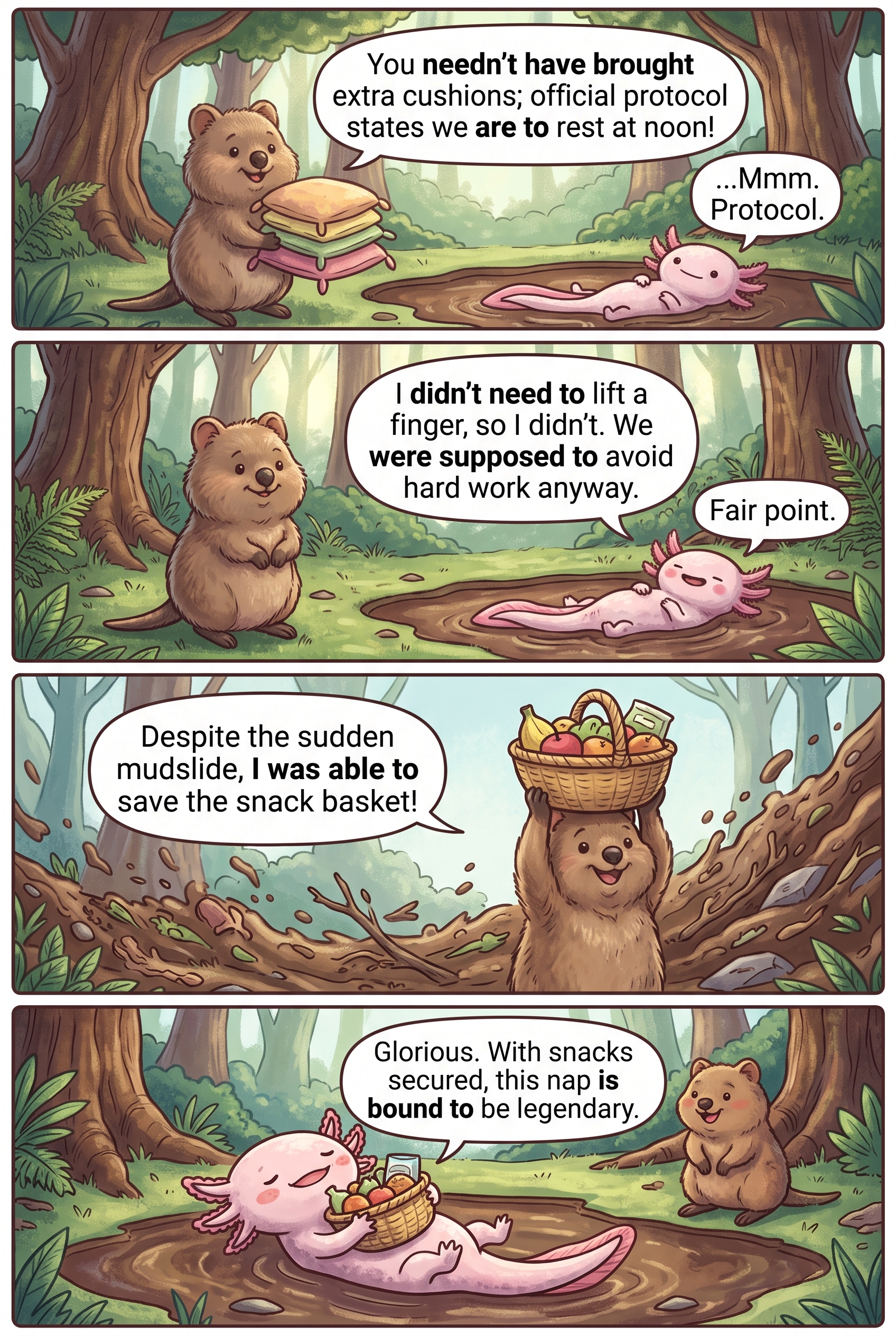
| Needn’t have + V3 | You did something, but it was not necessary (a pointless action). | I needn’t have cooked; nobody came to dinner. |
| Didn’t need to + V1 | It was not necessary to do it, so you probably did not do it. | I didn’t need to cook, so I ordered a pizza. |
⏱️ Advanced forms for obligation and expectation
In academic or official contexts, we prefer impersonal structures or formal modals:
- Be to: Shows an official obligation or a fixed plan. (e.g. The meeting is to be held at 9.00.)
- Be supposed to: Shows a social expectation or a duty based on a rule or custom. (e.g. You are supposed to wear a tie here.)
- Be bound to: Shows something almost certain to happen, because we strongly expect it. (e.g. It is bound to rain; look at those clouds.)
🔗 Ability & Permission
For past ability, watch the difference between *could* and *was/were able to*:
- Could: General ability in the past (e.g. I could swim when I was five.).
- Was/Were able to: Success on one specific occasion, or an effort that worked (e.g. Despite the storm, I was able to reach the shore.).
🛠️ How to form them
The chart sums up the key structures for Proficiency:
| Uso | Formula | Example |
|---|---|---|
| Formal obligation | Subject + Be + to + Base Form | Staff are to report to the office. |
| Pointless past action | Subject + Needn’t + have + V3 | You needn’t have bought flowers. |
| Social expectation | Subject + Be supposed to + Base Form | He is supposed to finish by 5pm. |
🚫 Common mistakes to avoid
| C1/C2 Mistake ❌ | Correct ✅ |
|---|---|
| I could open the safe finally. | I was able to open the safe finally. (‘Could’ is not used for a single success, you need ‘was able to’!) |
| I didn’t need to buy it (but I bought it). | I needn’t have bought it. (For a pointless action that was done, always use ‘needn’t have + past participle’!) |
| It’s bound that it will rain. | It is bound to rain. (The correct structure is ‘be bound to’!) |
1. Gap Fill & Translation (C1/C2)
Complete the sentences with the correct modal or advanced structure.
2. Extra: Sentence Builder 🧩
Tap the words to move them and build perfect sentences with modals!