
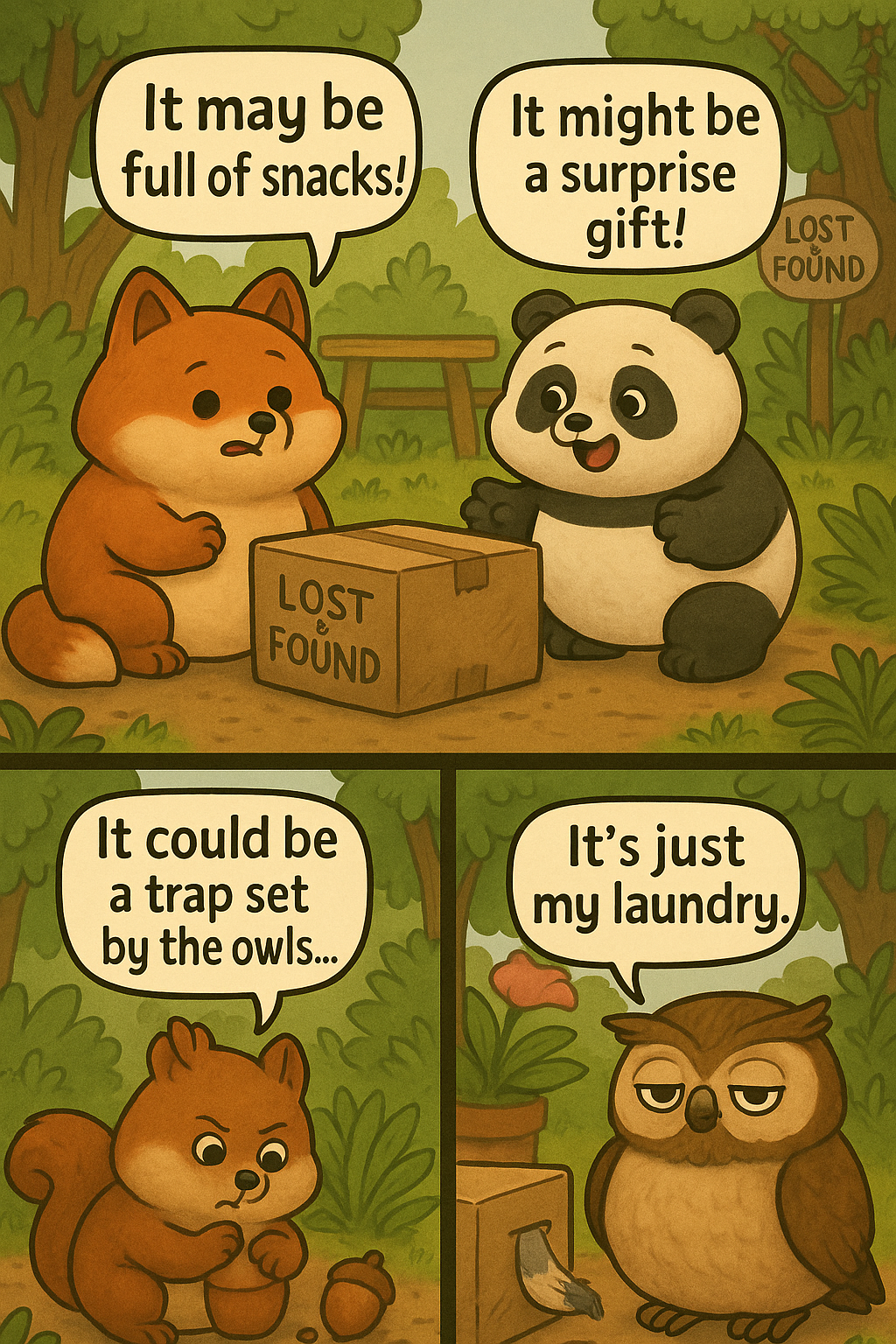
May, Might and Could (Expressing Possibility)
📌 Lesson contents
🎯 Lesson goal
In this lesson you will learn to use may, might and could 📖 to talk about possibility in the present and future. You will see how strong or weak each possibility is 🧠, how to build the sentences ✍️ and practise straight away with the quiz at the bottom of the page! 🚀
🌟 What do may, might and could mean?
They are modal verbs that express possibility! They show how likely we think it is that something will happen. 🔮
🔍 How do we use them?
| Modal | Kind of possibility | Example |
|---|---|---|
| May | Fairly strong possibility (~60-70%) | She may come to the party. 🎉❓ |
| Might | Weaker possibility (~30-50%) | It might rain later. ☔❓ |
| Could | Theoretical / general possibility | We could win the match. ⚽❓ |
🔍 Practical examples
1. May ➔ More likely (fairly strong possibility)
- I may visit you tomorrow. ➔ (It is quite likely.) 🏡
- She may call you tonight. ☎️
2. Might ➔ Less likely (weaker possibility / more doubt)
- He might be late. ➔ (There is a chance, but it is not certain.) ⏰
- It might snow tomorrow. ❄️
3. Could ➔ Theoretical or general possibility
- They could be in the park. 🌳
- You could find a better job. 🧑💻
🧩 Summary table – May / Might / Could
| Verb | Strength of possibility | Example |
|---|---|---|
| May | Fairly strong | She may call you tonight. ☎️ |
| Might | Weaker | It might snow tomorrow. ❄️ |
| Could | Theoretical / General | You could find a better job. 🧑💻 |
❓ Basic doubts cleared up
- Do I need “to” after may/might/could?
➔ No! Use the base form of the verb directly, without to (e.g. She may come, notmay to come). - Is might more uncertain than may?
➔ Yes! Might shows more doubt than may. - Can I use “could” for the past?
➔ Yes, could can be the past of can (ability in the past), but in this lesson we study it as possibility in the present and future.
🚫 Common mistakes to avoid
| Mistake ❌ | Correct ✅ |
|---|---|
| She may to come tomorrow. | She may come tomorrow. |
| He could to be at school. | He could be at school. |
| It might raining. | It might rain. |
👉 Remember: modal + base verb! Always without “to” and without the -ing form!
📌 Final summary
- May ➔ fairly strong possibility.
- Might ➔ weaker possibility.
- Could ➔ theoretical or general possibility.
Always use modal + base verb without “to”! ✍️ Practise by saying what might happen today or tomorrow! ✨
Gap Fill & Translation Exercises
Test yourself! In the first 15 sentences, complete with ‘may’, ‘might’ or ‘could’ and the correct form of the verb in brackets. In the last 5, write the sentence in English from the situation given.